
MelaMedic® Stockholm – medical blue light blocking glasses for a peaceful evening, better sleep and circadian rhythm balance
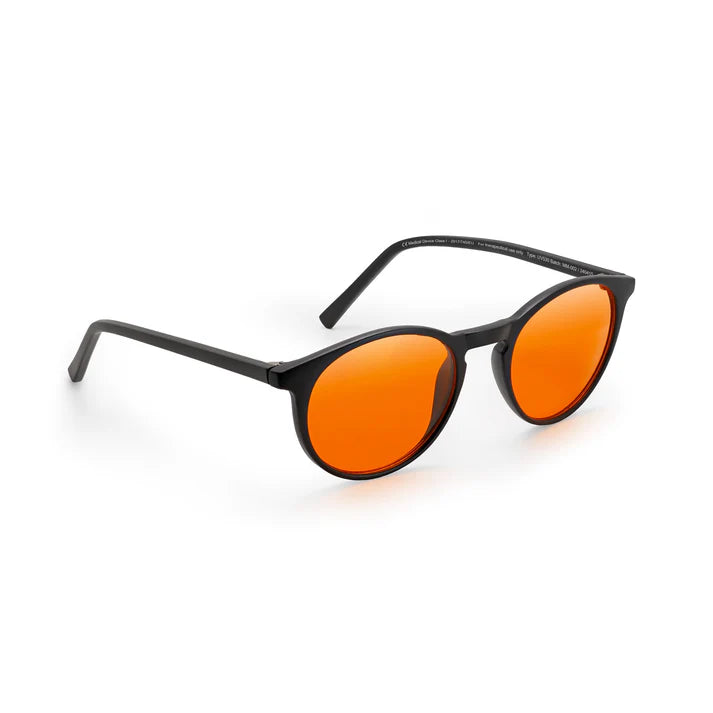
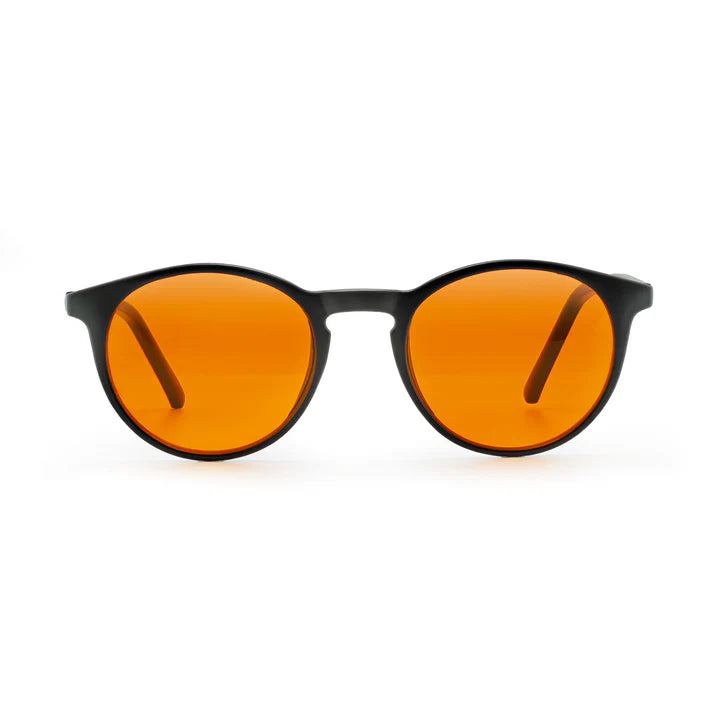
MelaMedic Stockholm is a lightweight (22 g) and durable medical blue light blocking glasses designed for users aged 12 and over who want to reduce evening screen light exposure, improve sleep and stabilize melatonin production. The model has high-quality polycarbonate lenses with an orange UV-530 filter that effectively blocks melatonin-suppressing blue light. The lenses are scratch-resistant and cannot be worn with prescription glasses .
The frame is made of flexible, ultra-light TR90 polymer , which ensures comfort during long-term wear. Dimensions: 135 mm width , 46 mm height , 140 mm temple length , 21 mm nose bridge . This shape is suitable for both narrow and medium-wide faces. The matte black color gives a minimalist, modern design image.
%20and%20durable%20medical%20blue%20light%20blocking%20glasses%20designed%20for%20users%20aged%2012%20and%20over%20who%20want%20to%20reduce%20evening%20screen%20light%20exposure,%20improve%20sleep%20and%20s...
)
Description
MelaMedic sleep glasses are designed for the prevention and treatment of sleep disorders. They help regulate circadian rhythms, especially beneficial for people who work at night or travel through different time zones (jet lag). Using these glasses stimulates the production of melatonin, a hormone that regulates the sleep cycle, improves sleep quality and supports the body's natural physiological processes.
The glasses are registered as a medical device under EU Regulation 2017/745 , therefore meeting high standards of safety and effectiveness. Clinically proven efficacy. Regular light spectral measurements are performed to ensure that the glasses block light up to a wavelength of 530 nm.
Before use
- You can use it in the evenings while watching TV, reading or working on the computer.
- The habituation period can last up to a week, and in some cases even up to 30 days.
- It is recommended to wear glasses at the same time every evening to maintain a stable internal body clock.
- Wear your glasses regularly – for example, if you wear them from 9:00 PM, your melatonin cycle will naturally end around 7:00 AM.
How to use?
- Sleep disorders: Eyeglass filters block blue light, which suppresses melatonin production. Wearing them 1-3 hours before bed helps your body produce more melatonin, making it easier to fall asleep and wake up naturally.
- Night work: It is recommended to combine with light therapy - use bright lighting during the day, and wear glasses after work to prepare the body for sleep.
- Travel and Jet Lag: Wearing glasses according to an individual schedule can reduce the effects of jet lag and speed up the body's adaptation to the new rhythm.
Side effects
No adverse effects have been reported when the glasses are used as directed. Some people may experience mild dizziness during the first few days, which is temporary.
Care and storage
Cleaning: Use lukewarm water and a soft cloth. Avoid aggressive chemical cleaners.
Storage: Glasses should be stored in a protective case, avoiding exposure to strong pressure or heat.
Security
- Do not use the glasses while driving or operating machinery, as they may alter color perception and increase fatigue.
- Do not expose to high temperatures - the glasses are made of polycarbonate and nylon, so they may deform or catch fire.
- If the glasses are damaged, do not use them as they may cause discomfort or injury.
The package includes a sturdy EVA case with grey textile trim and orange zipper, a cleaning cloth (80% polyester / 20% polyamide), and instructions in 13 languages , including English, German, French, Dutch, Scandinavian, and more.
MelaMedic sleep glasses are designed for the prevention and treatment of sleep disorders. They help regulate circadian rhythms, especially beneficial for people who work at night or travel through different time zones (jet lag). Using these glasses stimulates the production of melatonin, a hormone that regulates the sleep cycle, improves sleep quality and supports the body's natural physiological processes.
The glasses are registered as a medical device under EU Regulation 2017/745 , therefore meeting high standards of safety and effectiveness. Clinically proven efficacy. Regular light spectral measurements are performed to ensure that the glasses block light up to a wavelength of 530 nm.
Before use
- You can use it in the evenings while watching TV, reading or working on the computer.
- The habituation period can last up to a week, and in some cases even up to 30 days.
- It is recommended to wear glasses at the same time every evening to maintain a stable internal body clock.
- Wear your glasses regularly – for example, if you wear them from 9:00 PM, your melatonin cycle will naturally end around 7:00 AM.
How to use?
- Sleep disorders: Eyeglass filters block blue light, which suppresses melatonin production. Wearing them 1-3 hours before bed helps your body produce more melatonin, making it easier to fall asleep and wake up naturally.
- Night work: It is recommended to combine with light therapy - use bright lighting during the day, and wear glasses after work to prepare the body for sleep.
- Travel and Jet Lag: Wearing glasses according to an individual schedule can reduce the effects of jet lag and speed up the body's adaptation to the new rhythm.
Side effects
No adverse effects have been reported when the glasses are used as directed. Some people may experience mild dizziness during the first few days, which is temporary.
Care and storage
Cleaning: Use lukewarm water and a soft cloth. Avoid aggressive chemical cleaners.
Storage: Glasses should be stored in a protective case, avoiding exposure to strong pressure or heat.
Security
- Do not use the glasses while driving or operating machinery, as they may alter color perception and increase fatigue.
- Do not expose to high temperatures - the glasses are made of polycarbonate and nylon, so they may deform or catch fire.
- If the glasses are damaged, do not use them as they may cause discomfort or injury.
The package includes a sturdy EVA case with grey textile trim and orange zipper, a cleaning cloth (80% polyester / 20% polyamide), and instructions in 13 languages , including English, German, French, Dutch, Scandinavian, and more.
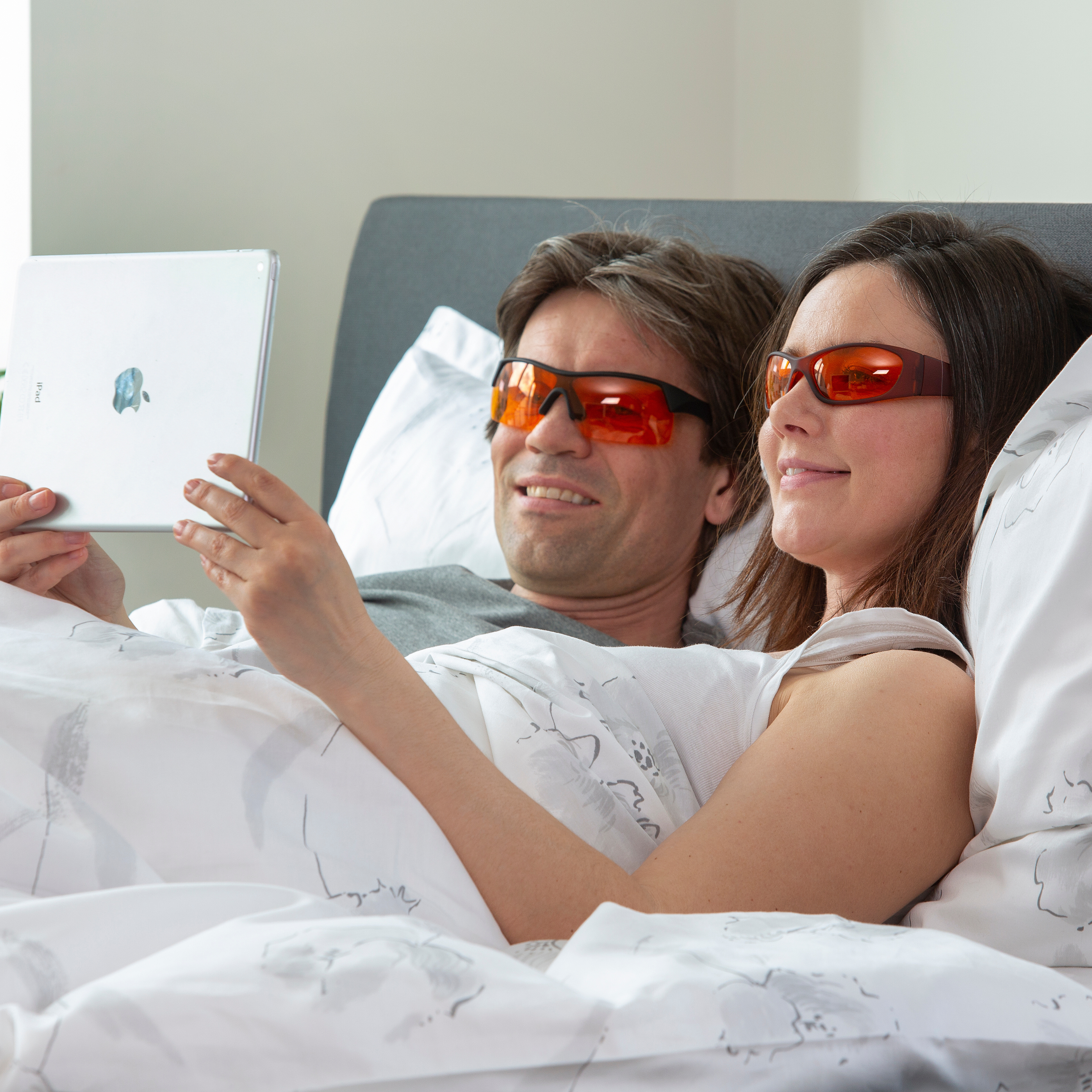
When the head won't sleep: The ADHD and sleep connection we still don't talk about enough
ADHD has become one of the most discussed topics in schools, families, and adult psychology offices today. It is no longer just a childhood diagnosis. This attention and activity disorder continue...
You may also be interested in






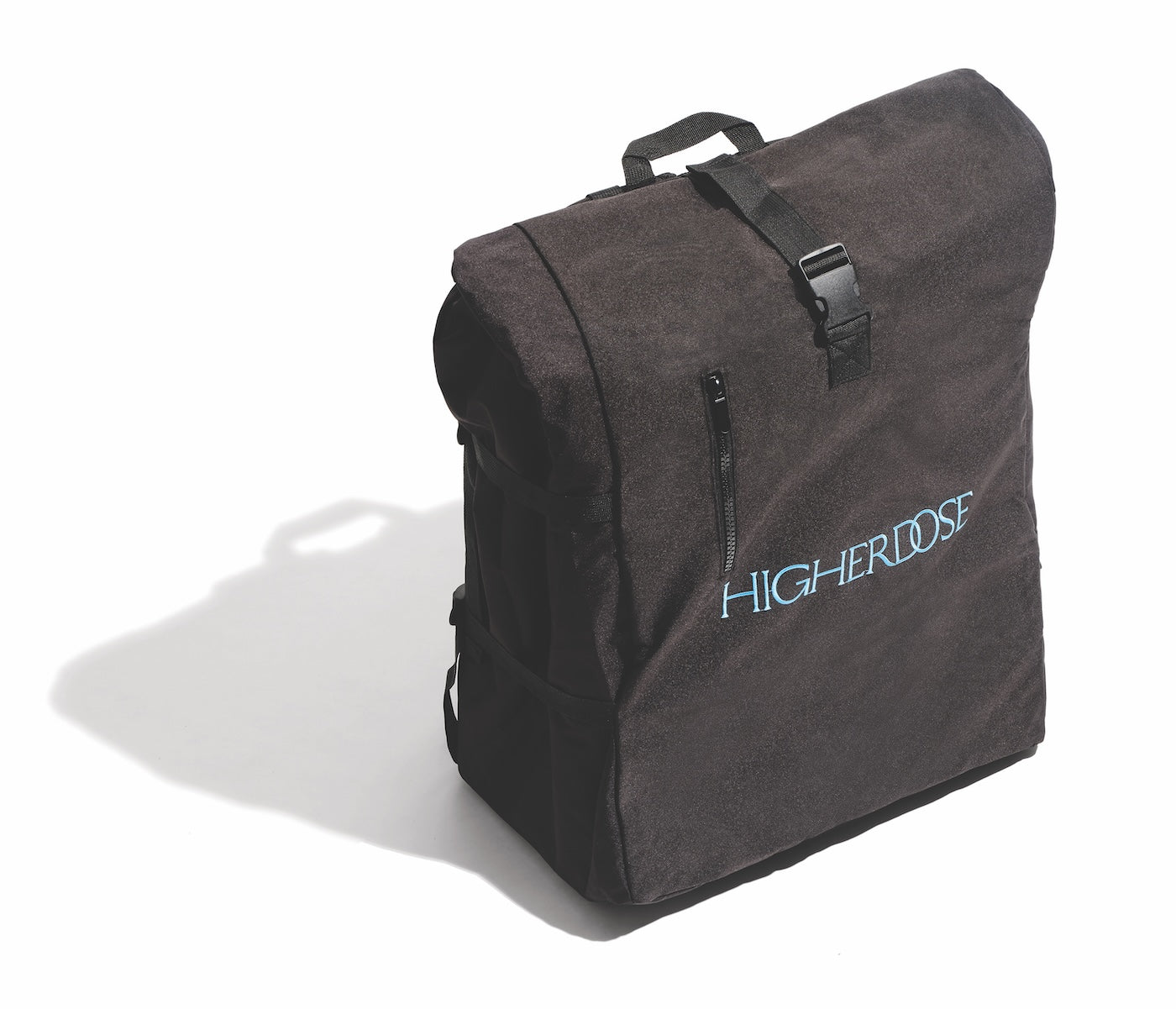
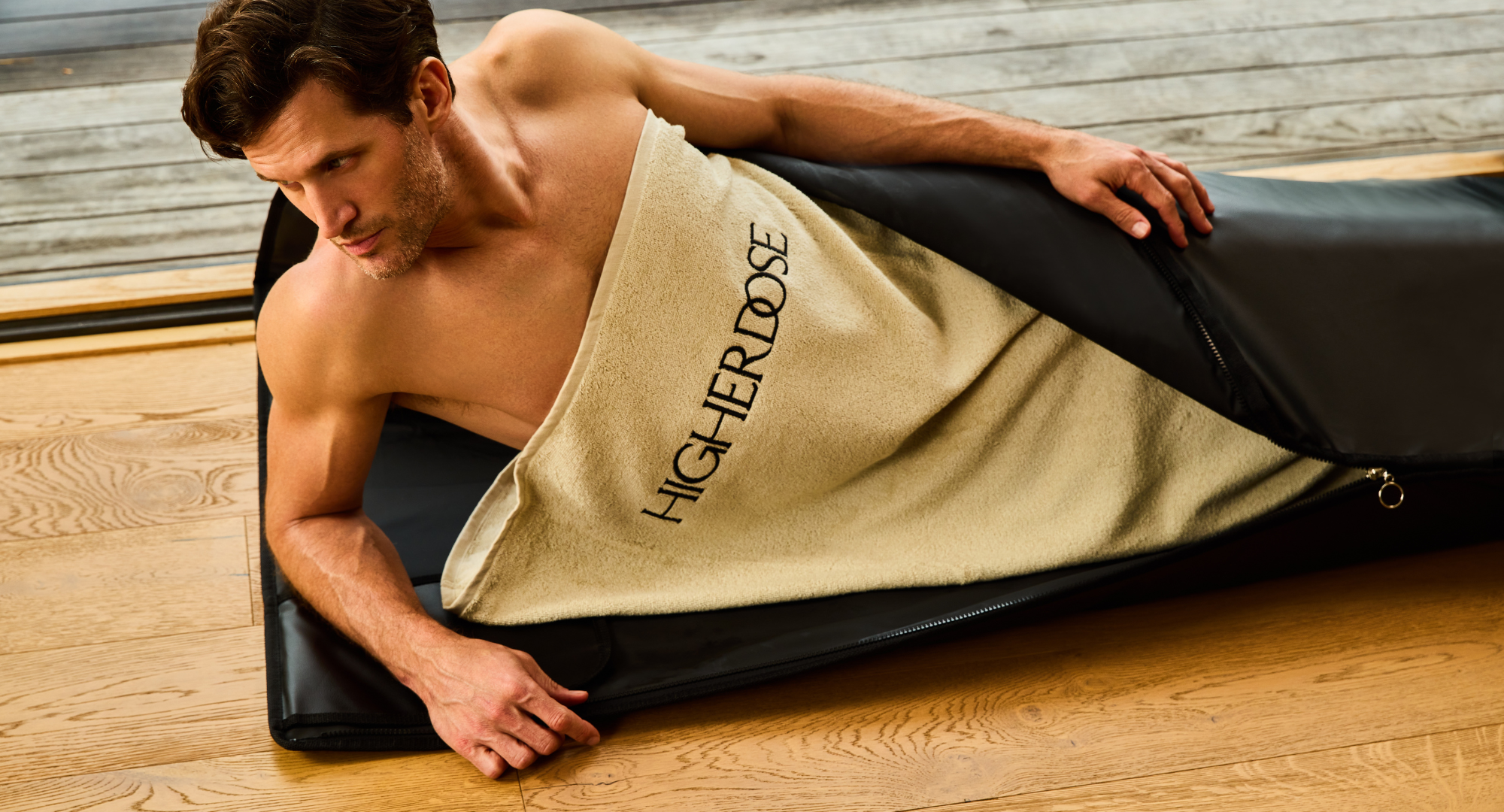
Infrared sauna in your home
Your muscles will thank you. Enjoy the warmth that relaxes you.
Body sauna promotes detoxification, weight loss, reduces muscle tension, improves blood circulation and strengthens the immune system. Relax and feel more energetic than ever before.
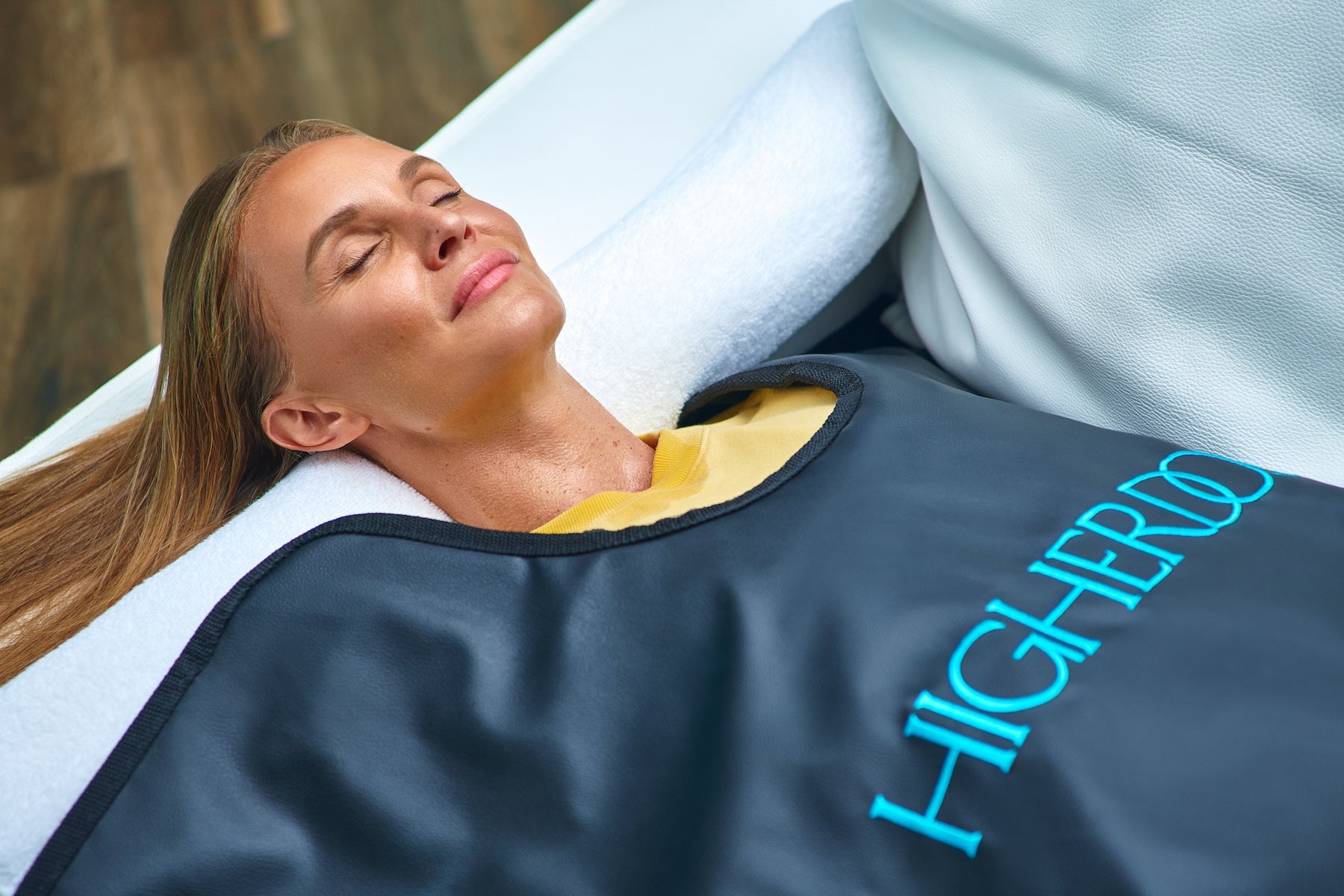
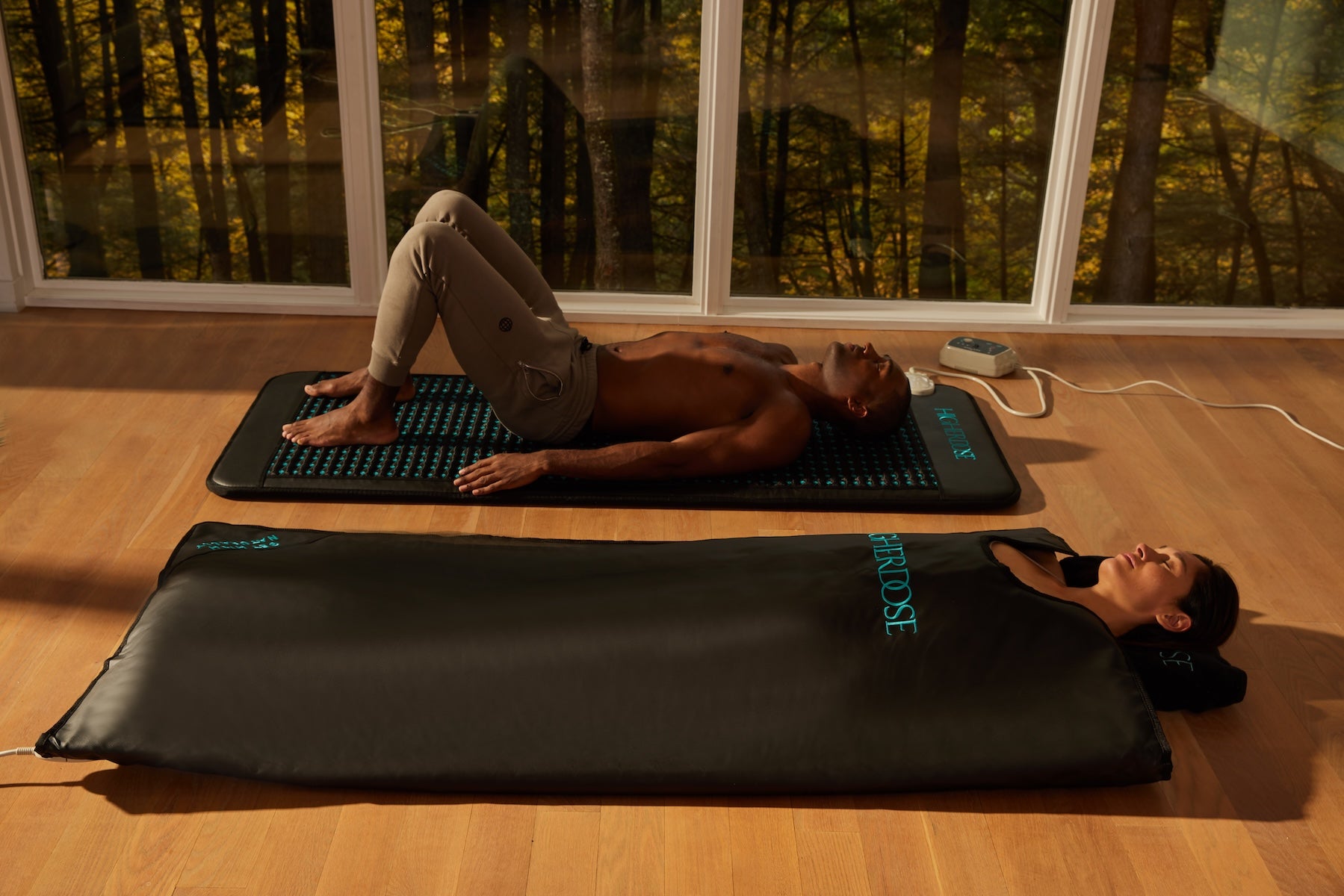

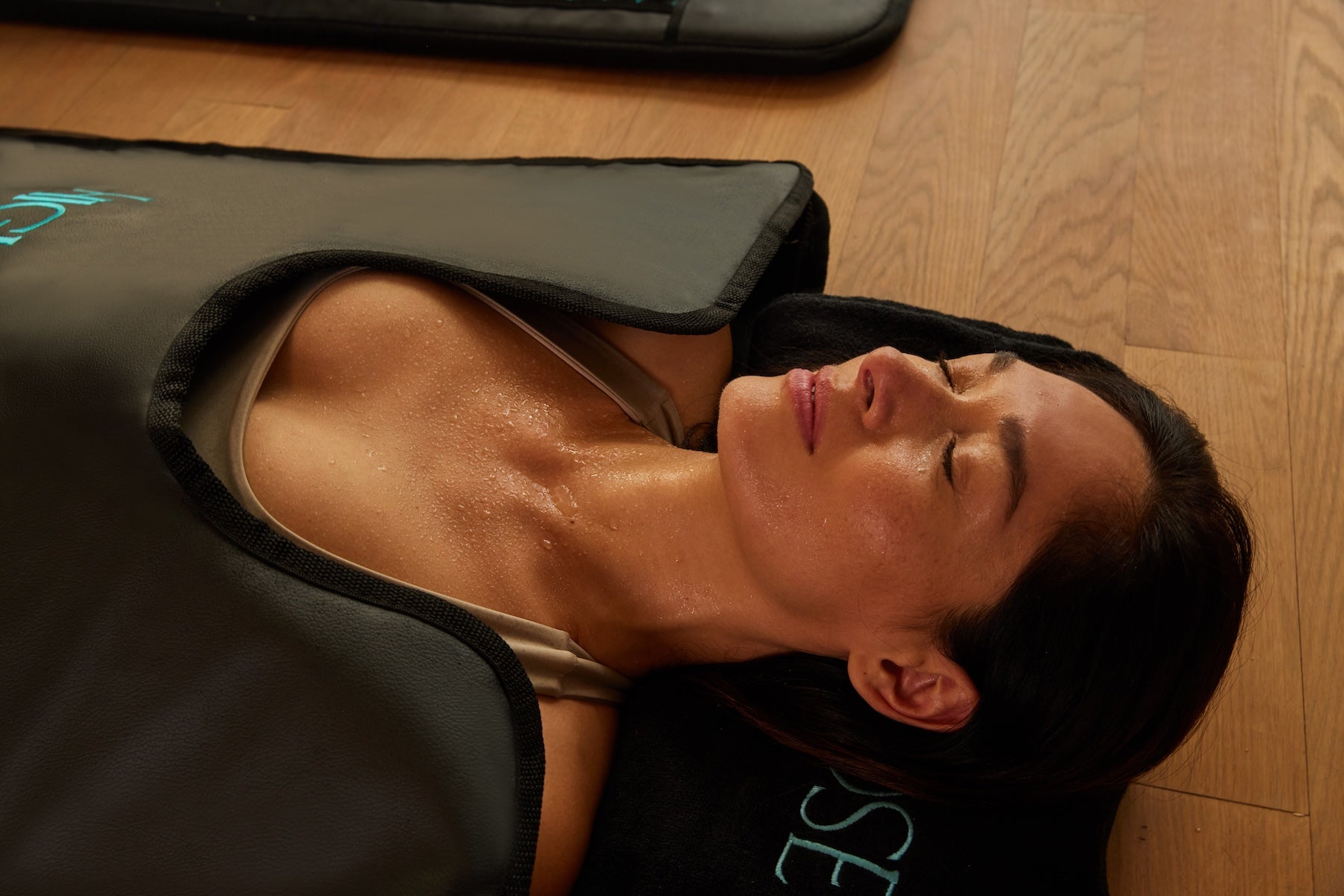
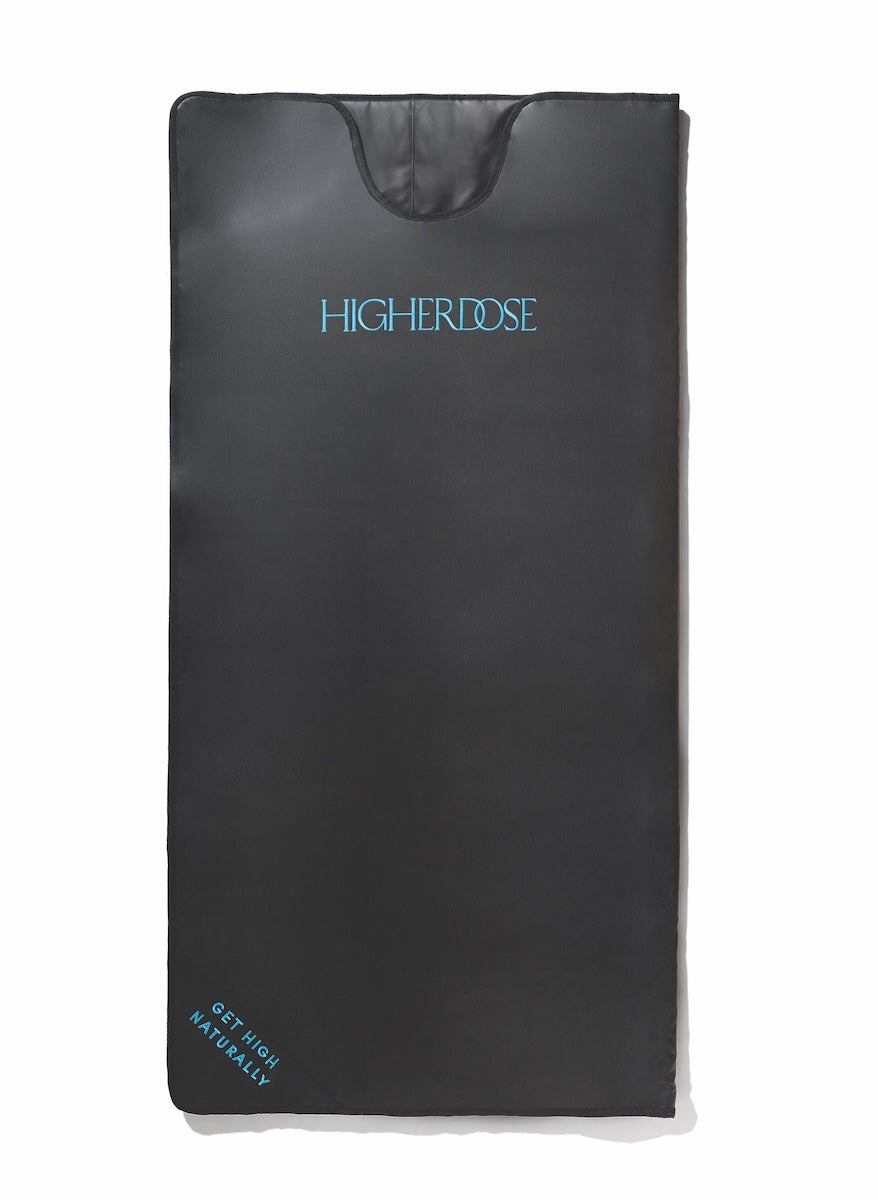
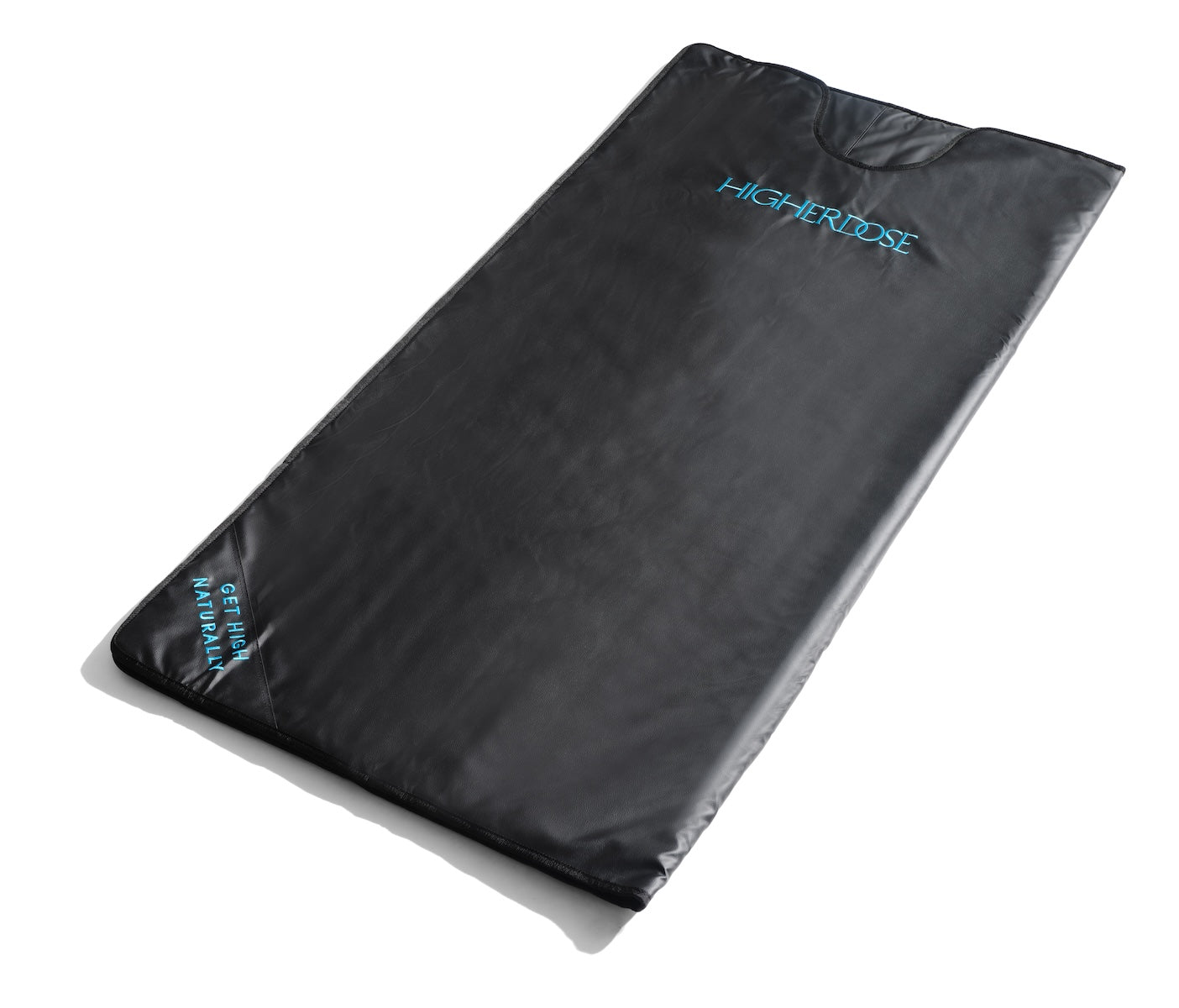
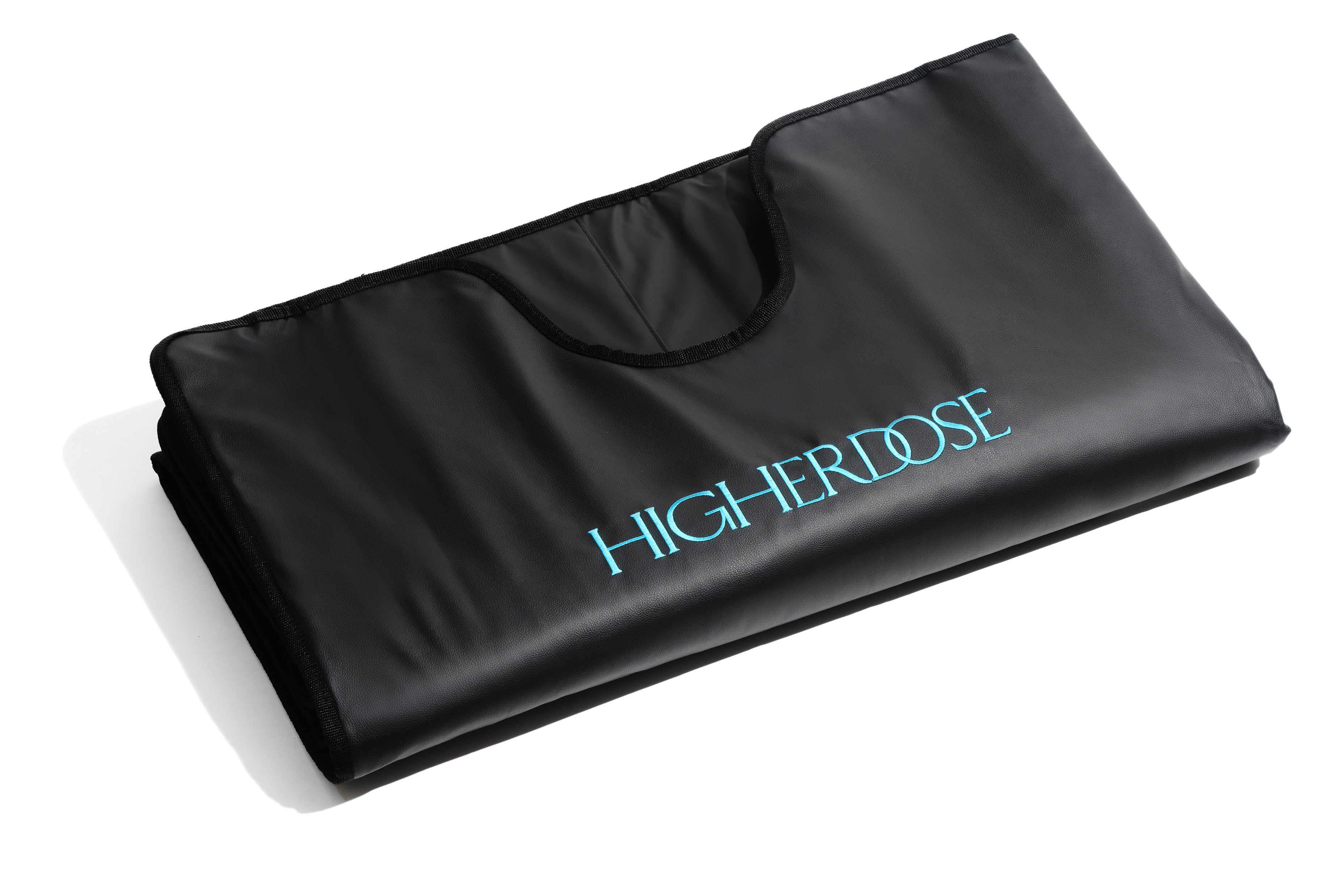



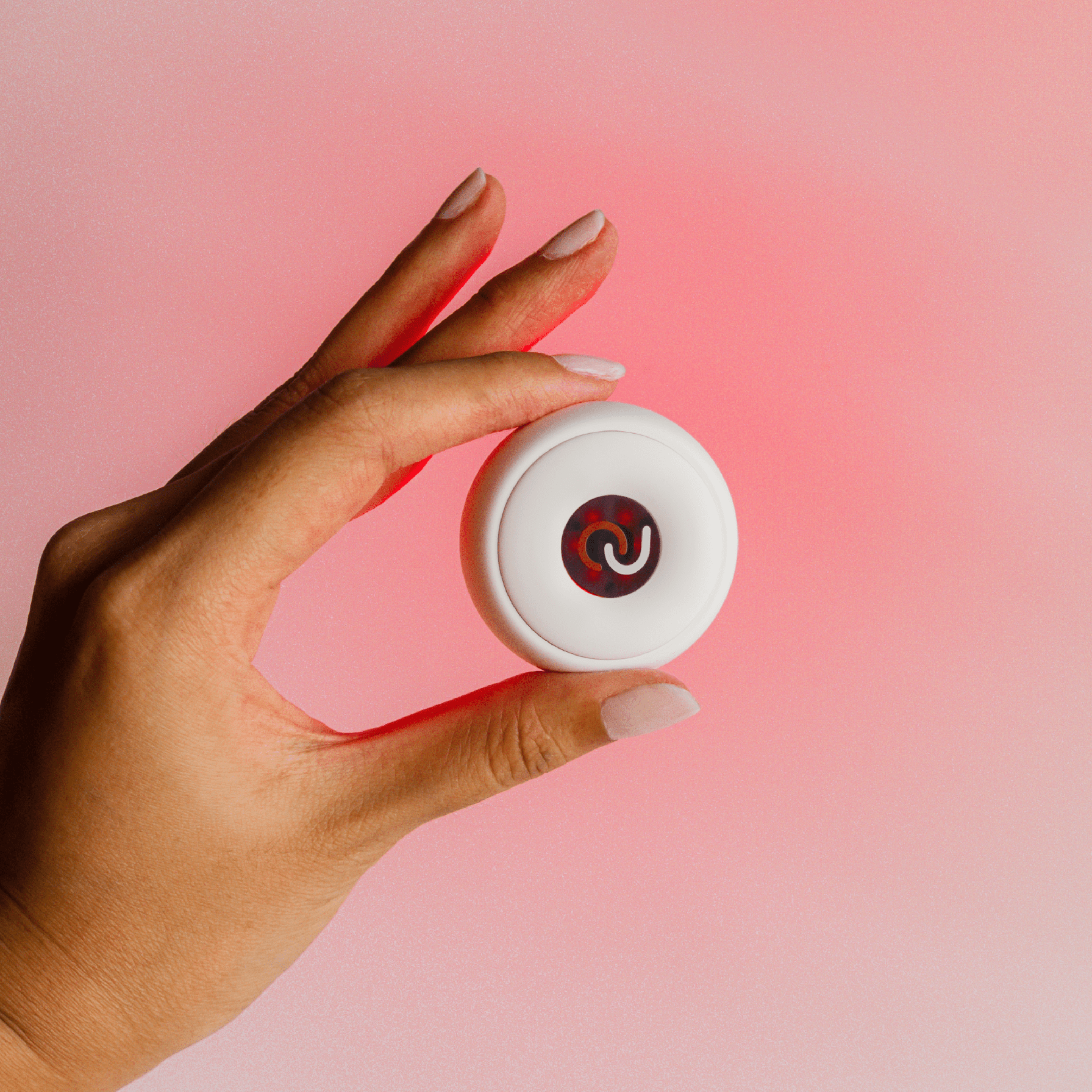
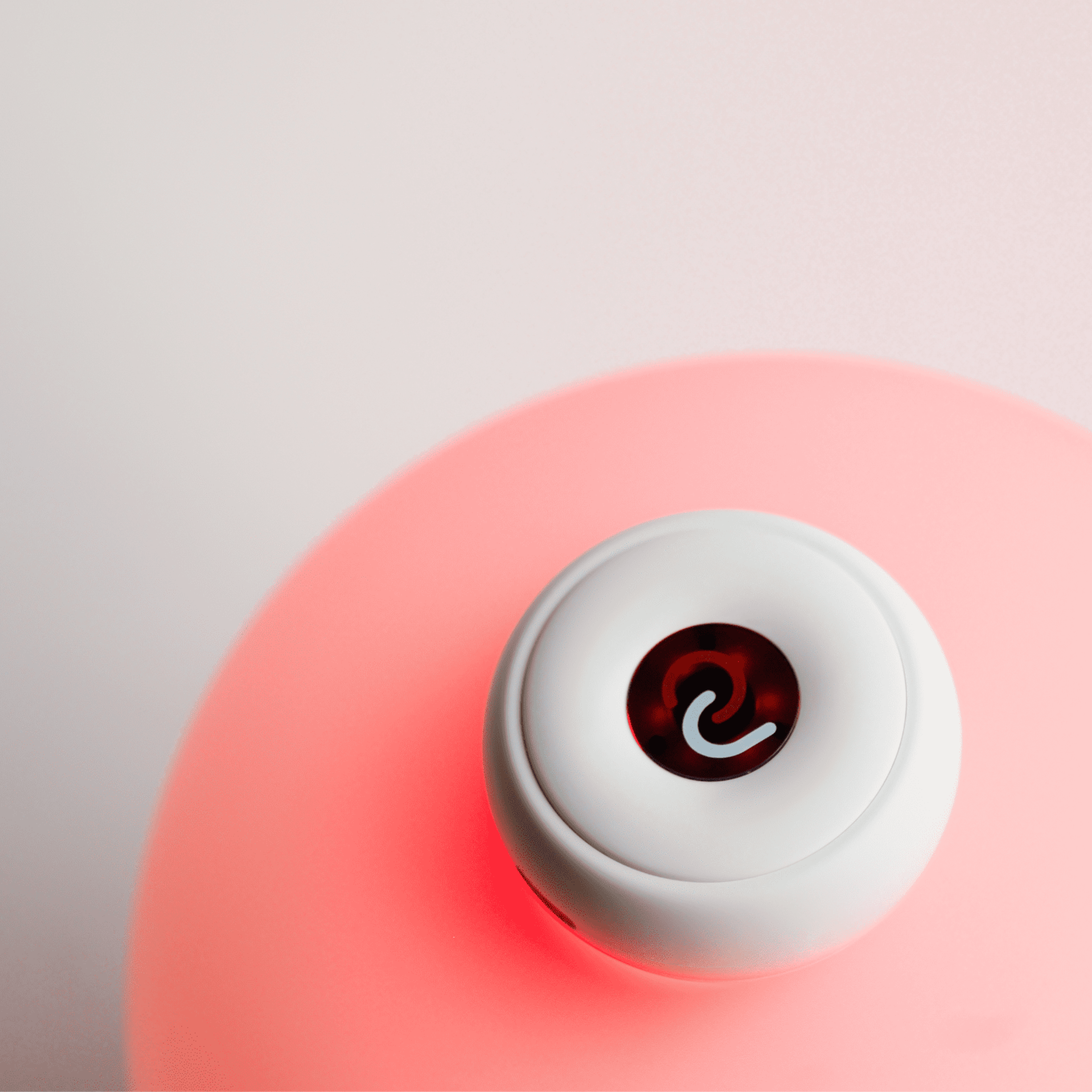
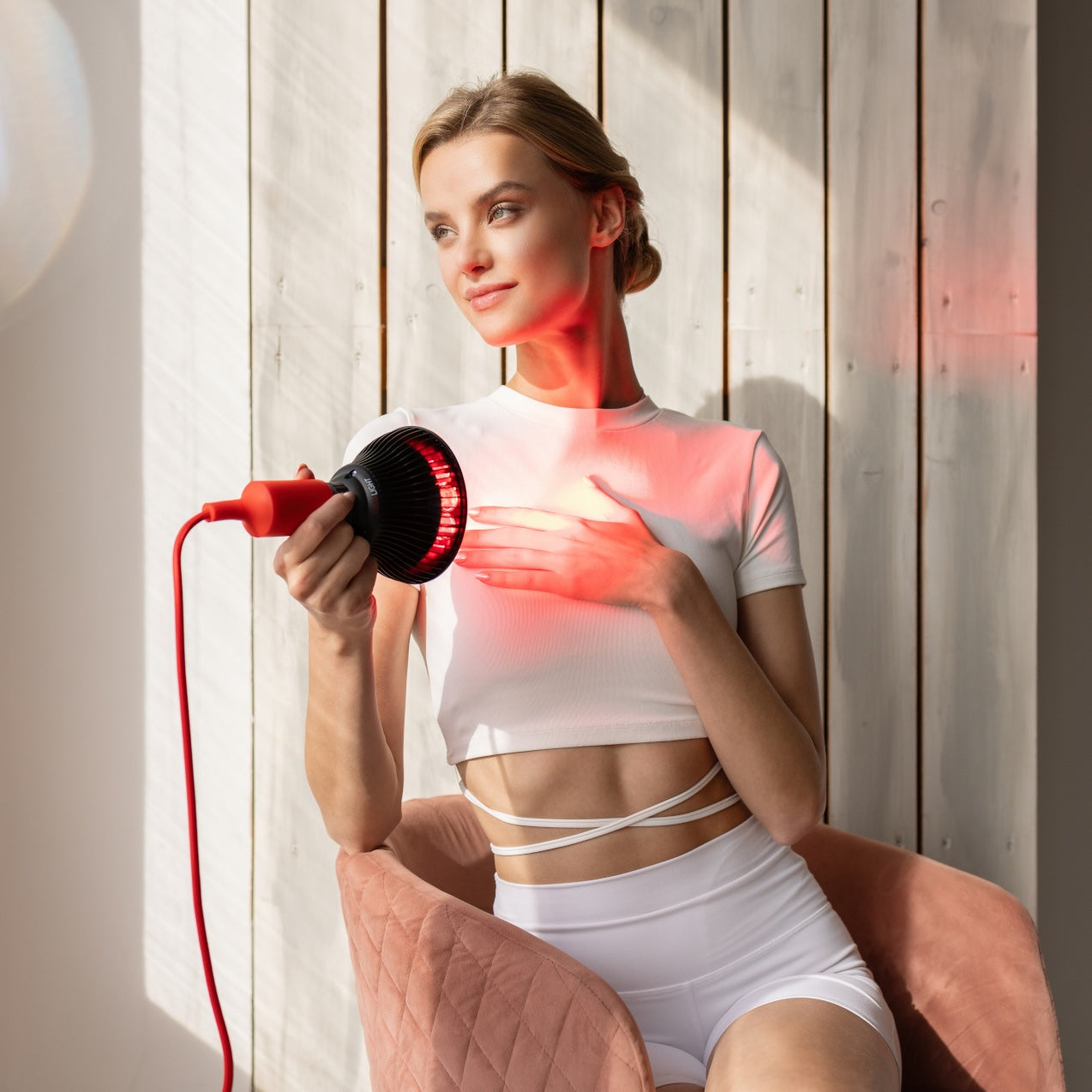
HigherDOSE® Infrared Body Sauna
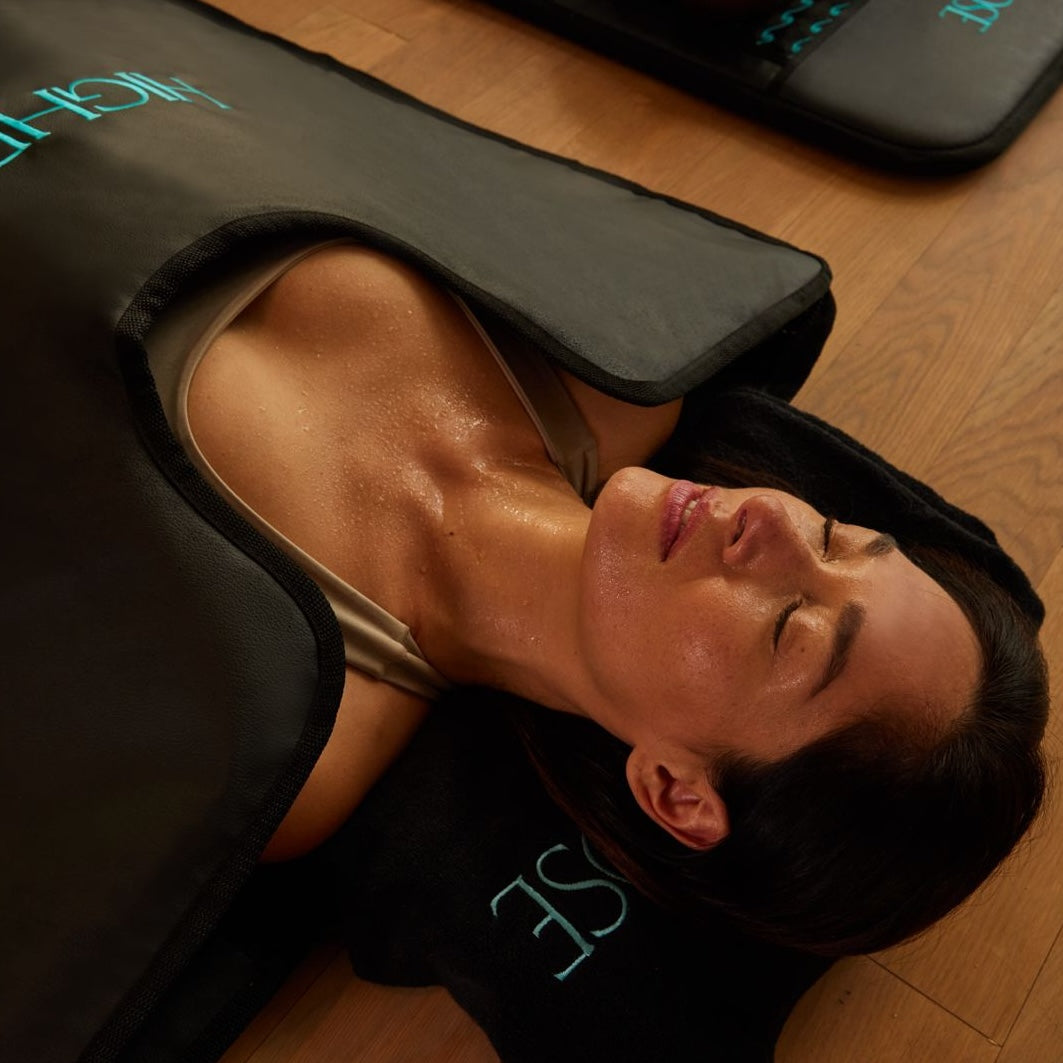
Infrared body sauna - your personal SPA at home. You wrap yourself in warmth and embark on a journey of relaxation. Every cell in your body feels deeply relaxed, and your mind becomes increasingly calm. It is not just a procedure - it is a ritual for your well-being.
Body sauna promotes detoxification, weight loss, reduces muscle tension, improves blood circulation and strengthens the immune system. Relax and feel more energetic than ever before.
Pickup available at Odosterapija.lt salonas Vilniuje
Usually ready in 4 hours
HigherDOSE® Infrared Body Sauna
Odosterapija.lt salonas Vilniuje
Kęstučio g. 47
20
08124 Vilnius
Lithuania

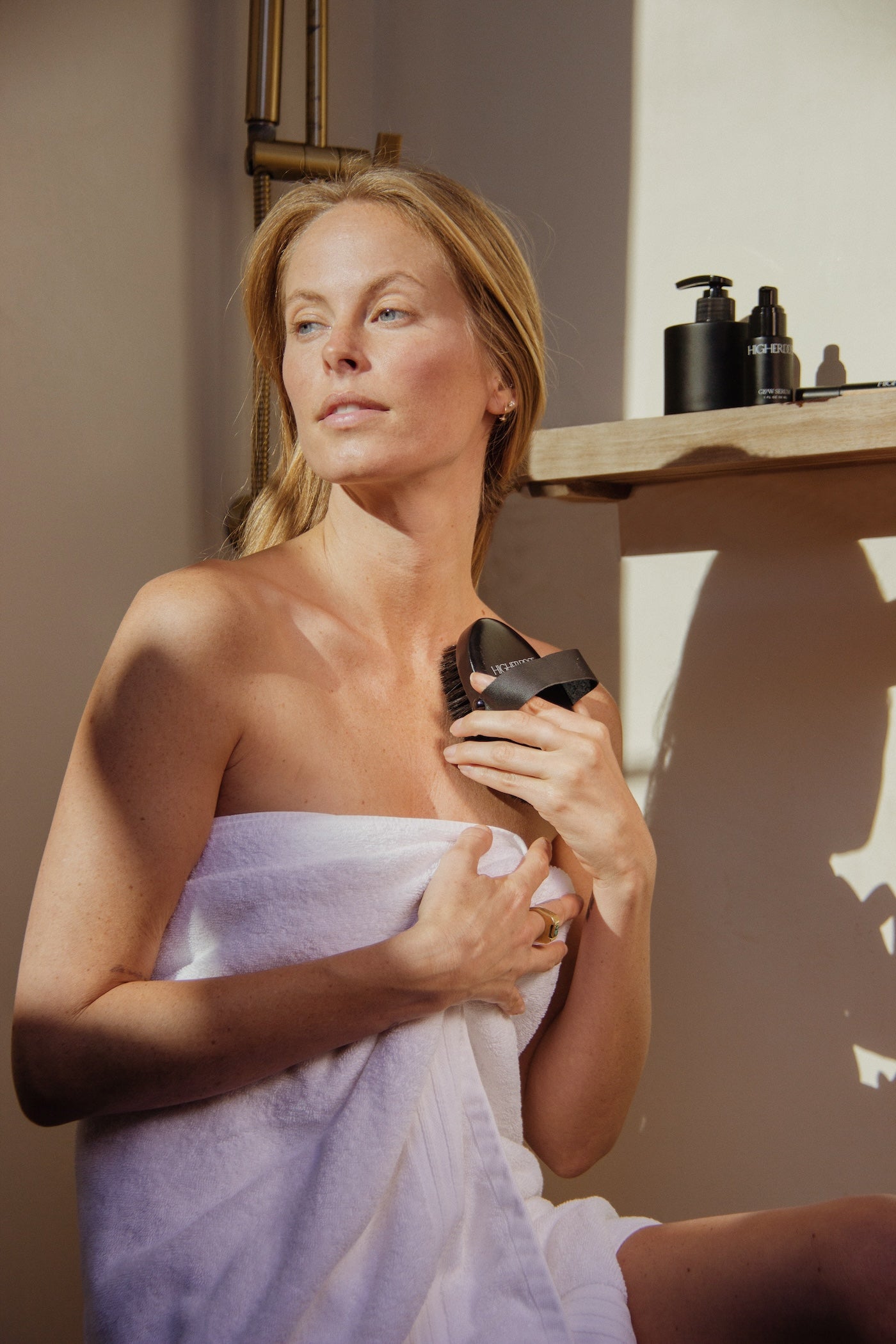
Rechargeable Copper Body Brush
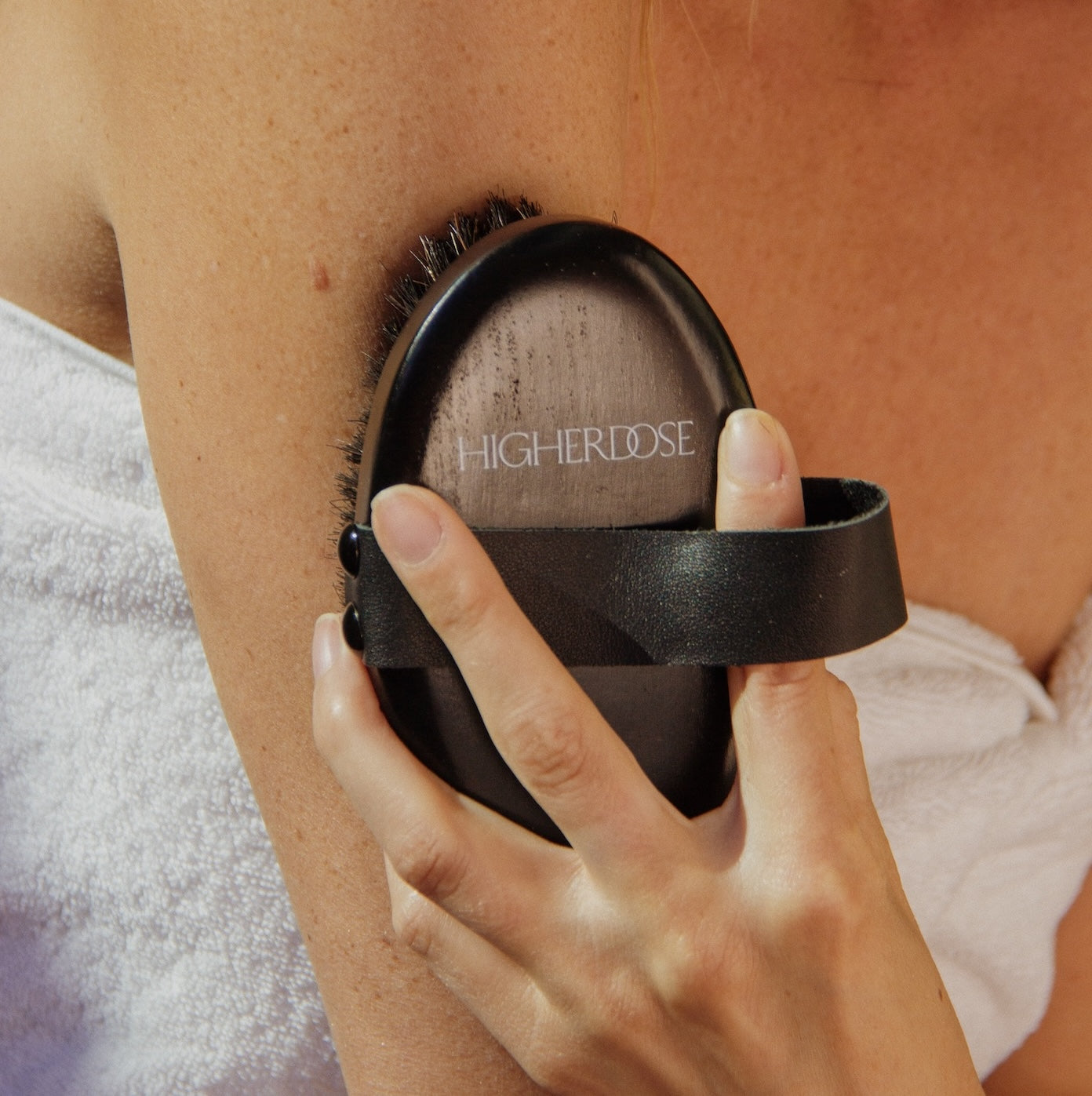
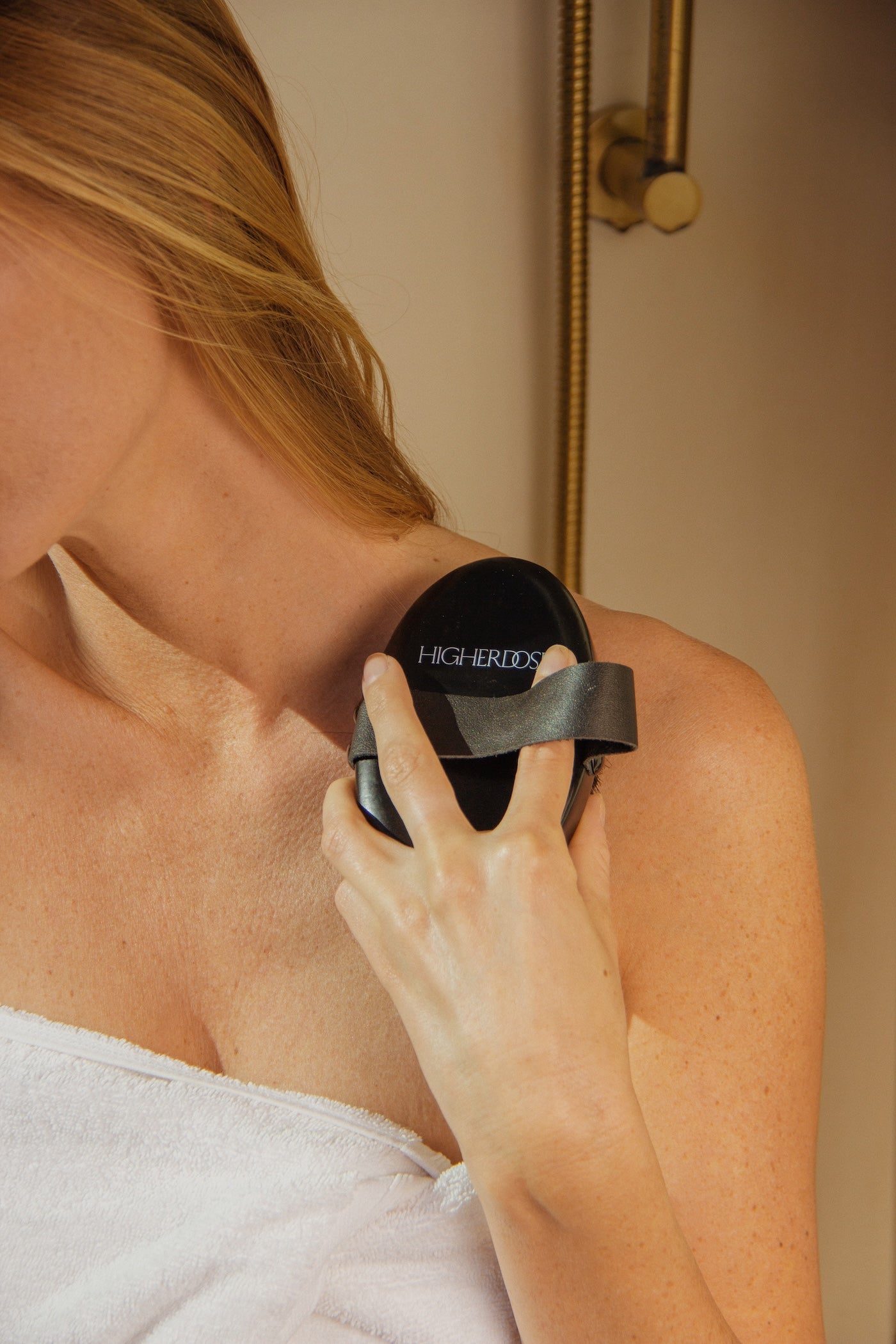
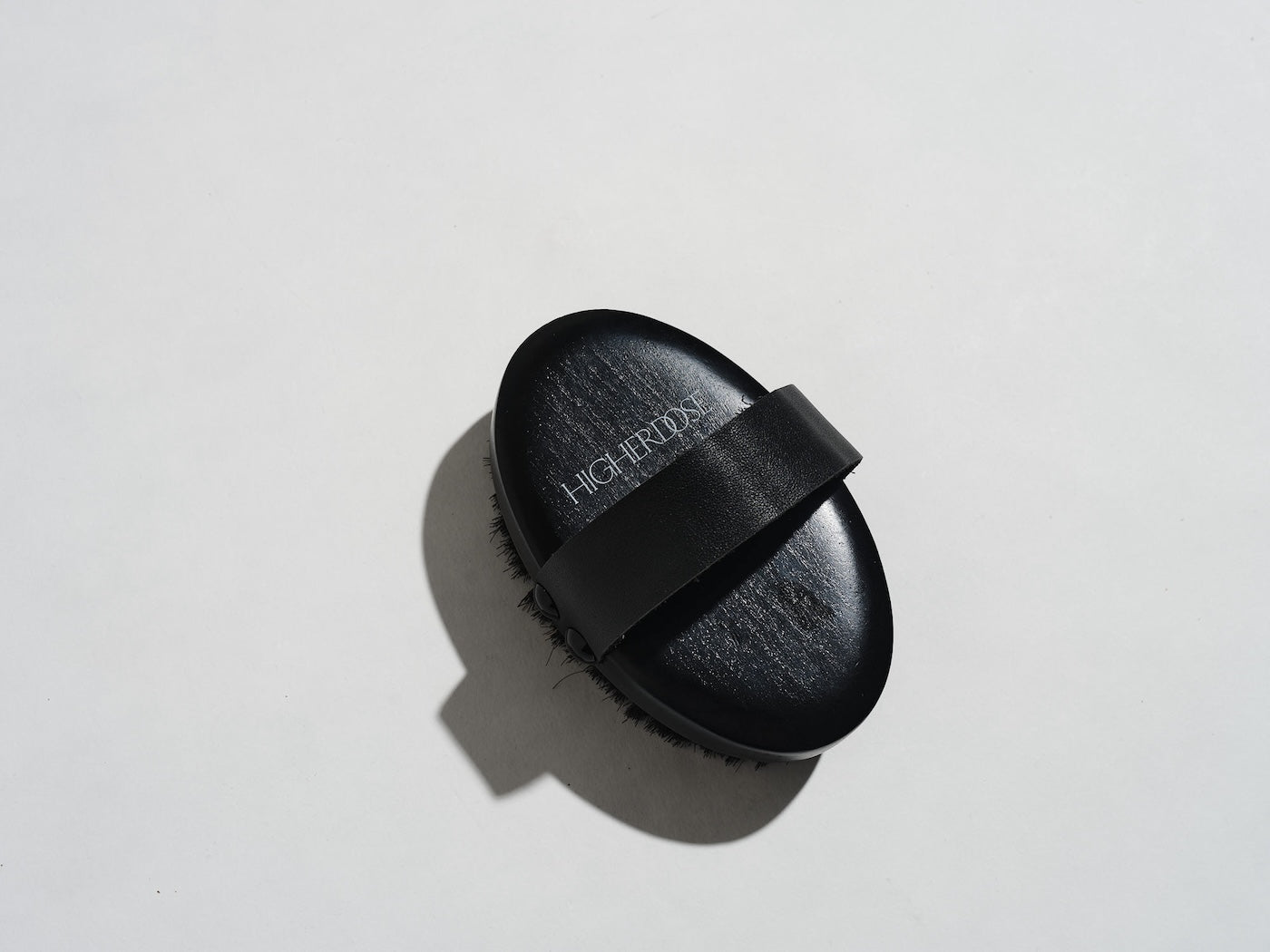
Start your day with a copper body scrub brush that takes skin care to new heights. Ionic-charged bristles awaken the body, activate lymph flow, exfoliate dead skin cells, and reduce cellulite.



HigherDOSE® Charging Copper Body Brush
Imagine a moment when every touch revitalizes your body and mind - this is your morning ritual with HigherDOSE ® energizing body scrub.
Start your day with a copper body scrub brush that takes your skin care to new heights. Ionic-charged bristles awaken the body, activate lymph flow, exfoliate dead skin cells and reduce cellulite. In addition, the brush is a great helper in the fight against the stress of modern life, so by including it in your daily skin care routine, you will not only enjoy healthy and glowing skin from the inside, but also reward yourself with a wonderful mood.
The benefits of copper brush bristles go beyond effective dry skin exfoliation. The ion-charged bristles release negative ions when in contact with the body, which inhibit the amount of viruses, bacteria, dust and other air pollution particles. It's like natural nature therapy at home!
Advantages:
- Exfoliates dead skin cells, making the skin smooth and soft.
- Promotes lymph circulation and the removal of excess fluid, fat and toxins.
- Speeds up metabolism and reduces cellulite.
- Promotes body sweating, which increases the release of endorphins and reduces stress.
- Gives energy and helps you feel good.
Pickup available at Odosterapija.lt salonas Vilniuje
Usually ready in 4 hours
HigherDOSE® Charging Copper Body Brush
Odosterapija.lt salonas Vilniuje
Kęstučio g. 47
20
08124 Vilnius
Lithuania